Admission 2026 is Open!




20 June 2026
BMU Hosts Professional Development Training Sessions Focused on Research Excellence and AI in Higher Education
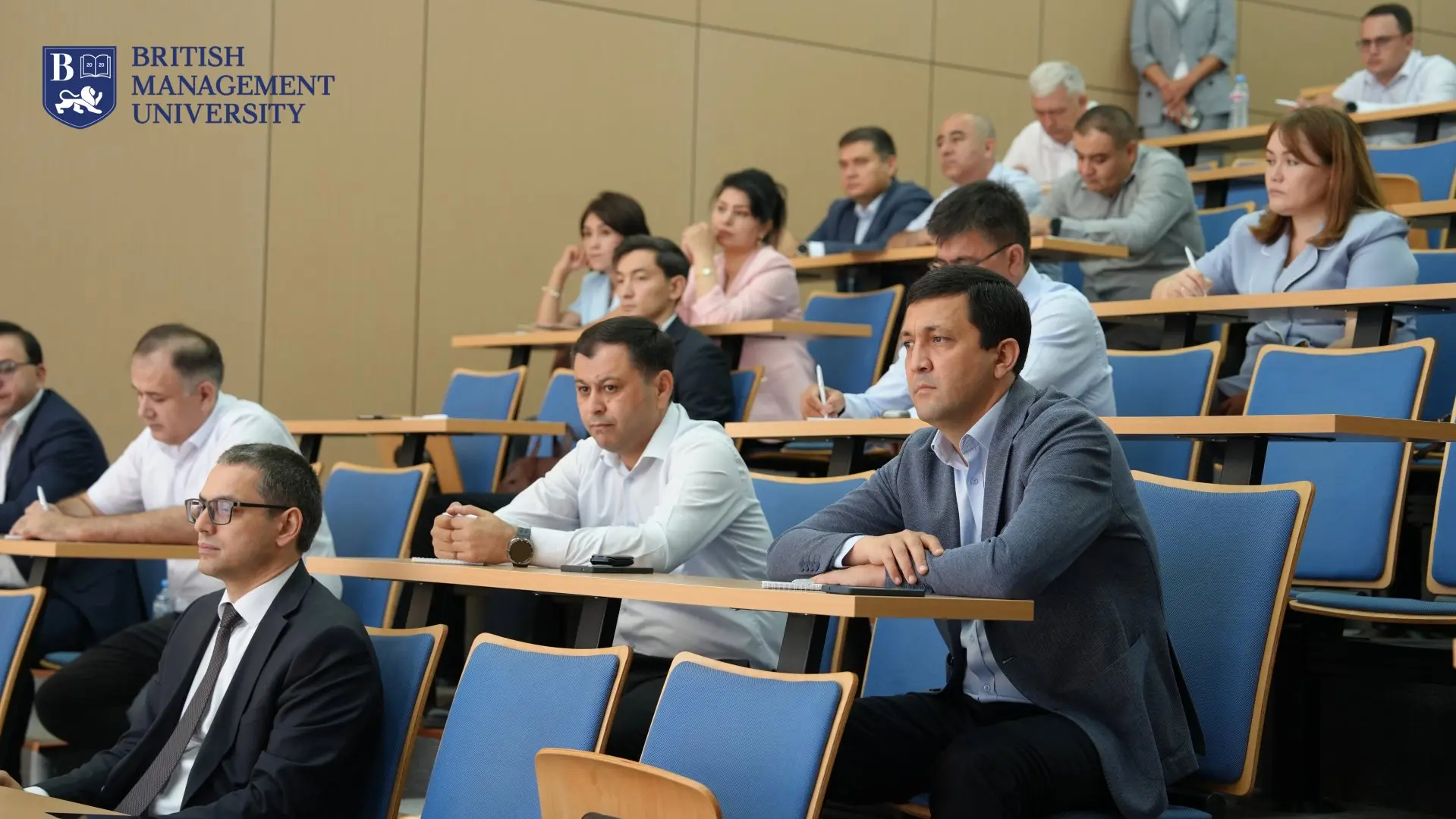
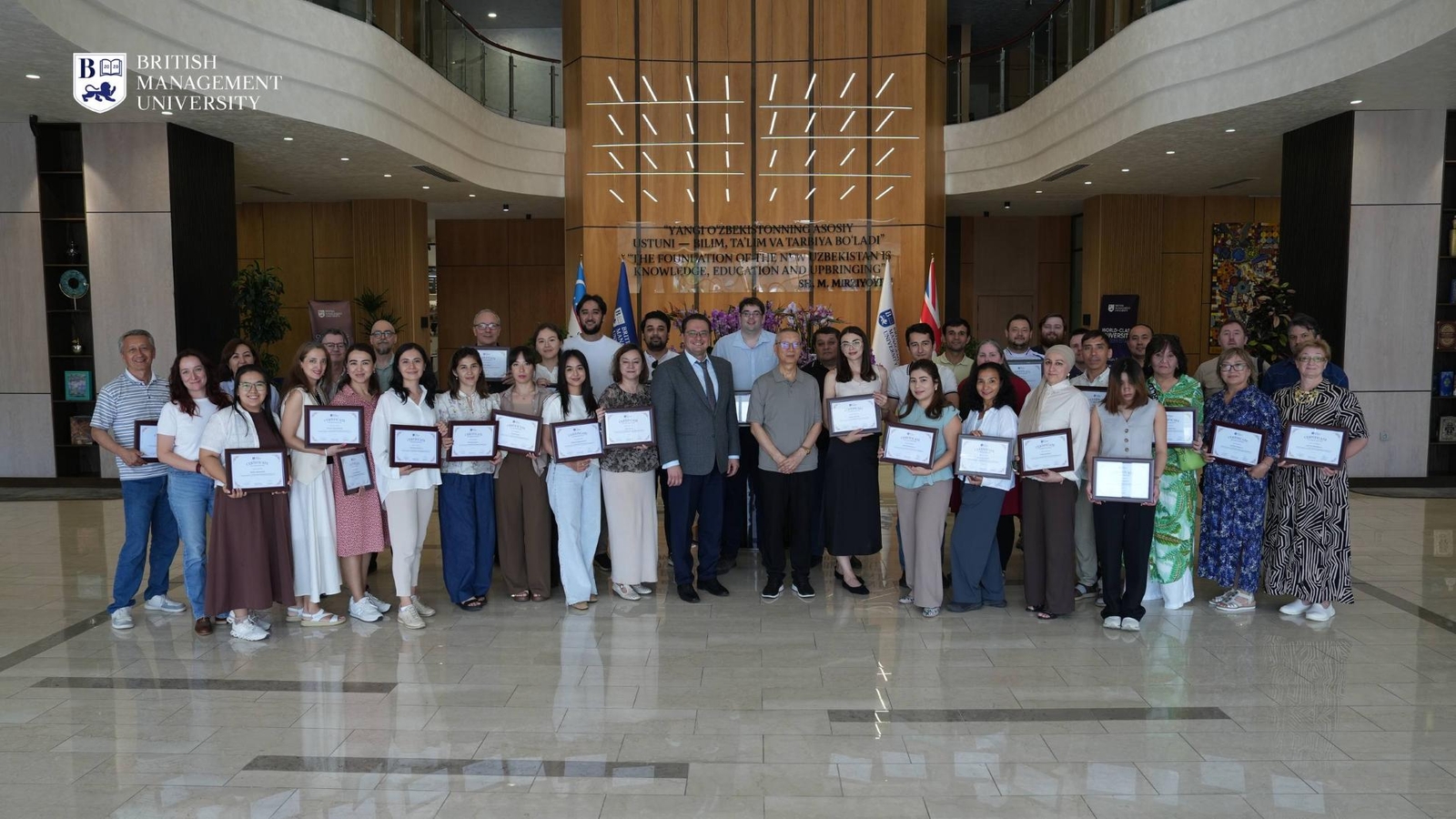
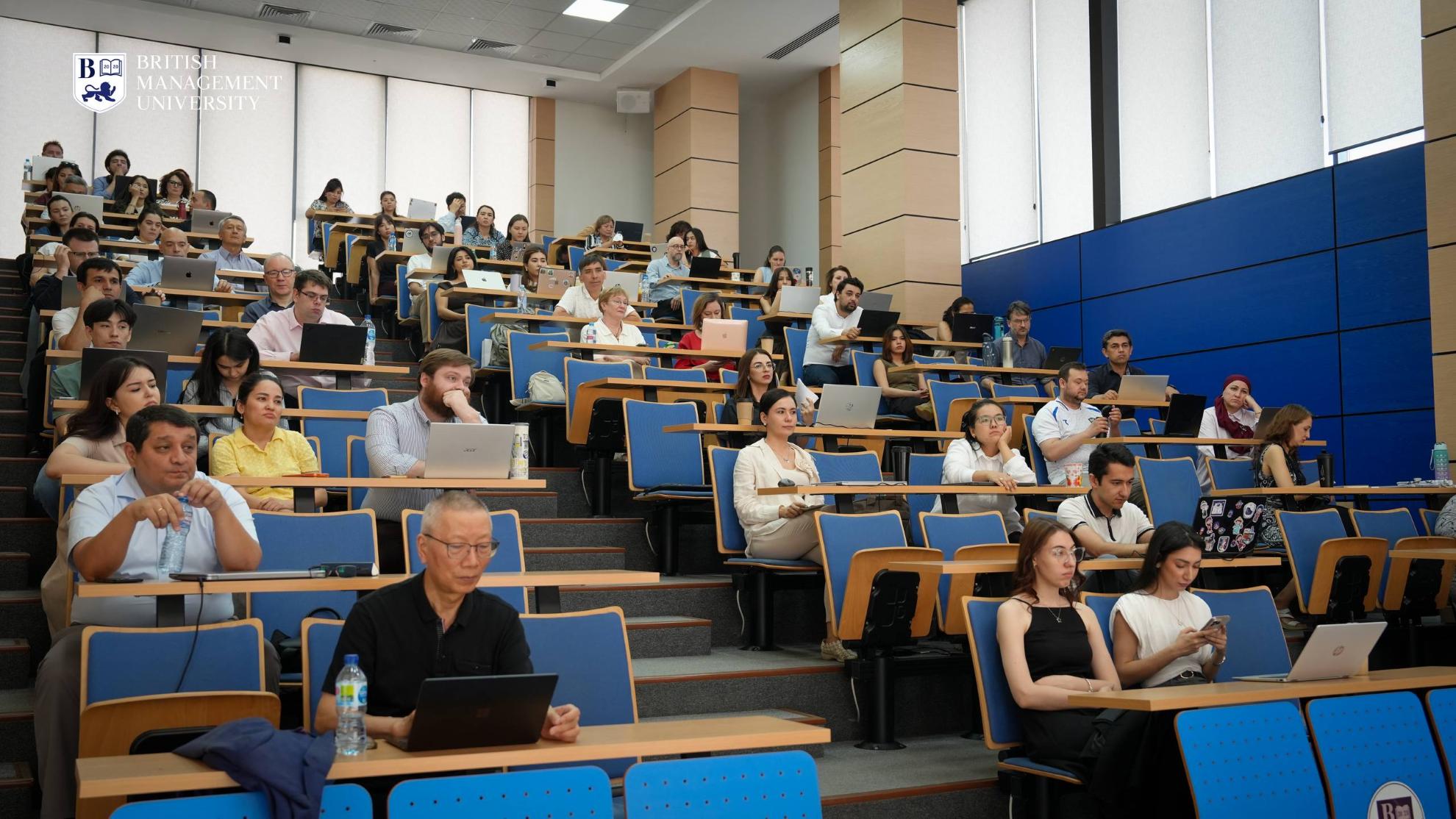
British Management University recently hosted a comprehensive series of Professional Development Training Sessions designed to strengthen the academic, research, and teaching capabilities of its faculty members. Held over three days, the programme brought together BMU academics, international scholars, and industry experts to explore the latest developments in research methodology, innovative teaching practices, assessment strategies, and the responsible use of artificial intelligence in higher education.
As part of BMU's commitment to academic excellence and continuous improvement, the training programme provided faculty members with an opportunity to engage with emerging trends that are reshaping universities worldwide. Through lectures, workshops, practical demonstrations, and collaborative discussions, participants gained valuable insights into how technology and innovation can enhance both teaching and research while maintaining the highest standards of academic integrity.
The programme featured distinguished guest speakers from the University of Cambridge and the University of Reading, alongside BMU academics and specialists in educational technology. Sessions covered a broad range of topics, beginning with modern approaches to qualitative research methodology and ethnographic studies in the social sciences.
Professor Kecheng Liu from the University of Reading delivered an in-depth session on qualitative research design and methodology, introducing participants to the philosophical foundations of qualitative inquiry, research design frameworks, and practical approaches to data collection and analysis. Through hands-on examples, faculty members explored methods for conducting rigorous and impactful research.
Professor Montu Saxena from the University of Cambridge led a session on ethnographic studies and the interpretation of scientific data in social science research. Drawing on real-world examples and practical cases, he demonstrated how ethnographic methods can provide deeper insights into human behaviour, social systems, and complex research questions.
A significant focus of the training programme was the growing influence of artificial intelligence in academia. Participants explored how AI-powered tools can support researchers throughout the research process, from literature reviews and scientific writing to data analysis, visualization, and research productivity. Practical demonstrations introduced faculty members to a variety of contemporary tools while also highlighting the importance of responsible and ethical AI use in academic environments.
The second day of the programme focused on the practical implementation of AI technologies in teaching and assessment. Faculty members participated in interactive workshops that showcased how different AI tools can be applied to specific academic and professional tasks. These sessions encouraged participants to experiment directly with emerging technologies and consider how they can be integrated into their own modules and research activities.
BMU academics also shared their experiences of applying AI within assessment processes. Through case studies drawn from Quantitative Methods and Capstone Project modules, participants examined both the opportunities and challenges associated with AI-assisted grading. Discussions focused on maintaining fairness, transparency, academic standards, and meaningful feedback while leveraging technological innovation.
The programme further explored the future of teaching and learning in an AI-driven world. Professor Lily Sun from the University of Reading delivered an online session examining how artificial intelligence is transforming educational practice across higher education institutions globally. Participants were introduced to practical examples of AI-enhanced pedagogy and discussed ways to adapt these approaches to support student learning, engagement, and success.
A reflective discussion led by Professor Kecheng Liu encouraged faculty members to critically evaluate the role of AI within their own teaching contexts. Through collaborative activities and structured reflection, participants considered how course design, assessment methods, and student interactions may evolve as universities continue to adapt to technological change.
The final day of the programme addressed the responsible application of artificial intelligence in quantitative research and higher education. Discussions focused on research governance, transparency, accountability, reproducibility, and the importance of human oversight in AI-assisted academic work. Faculty members examined how institutions can embrace innovation while preserving the integrity and quality of scholarly activity.
The concluding session explored the growing relevance of oral assessment in the era of generative AI. Participants examined current research, practical implementation strategies, and the role of oral assessment in promoting academic integrity, critical thinking, communication skills, and authentic student learning. The session encouraged cross-disciplinary dialogue and generated valuable ideas for future assessment practices across different subject areas.
Beyond the knowledge and skills gained, the Professional Development Training Sessions created an important platform for collaboration, reflection, and the exchange of ideas among academic staff. The programme reinforced BMU's dedication to fostering a culture of lifelong learning, innovation, and professional growth within its academic community.
By investing in the continuous development of its faculty and strengthening partnerships with internationally recognised scholars and institutions, British Management University ensures that its students benefit from a modern, globally relevant education that reflects the highest international standards.
These Professional Development Training Sessions represent another important step in BMU's ongoing mission to advance teaching excellence, research quality, and educational innovation for the benefit of both its academic community and future generations of students.